Words of Wonders: Guru
- 4.9
- Rating
- 10.00M
- Installs
- Free
- Price

 Analysis by App-foxy
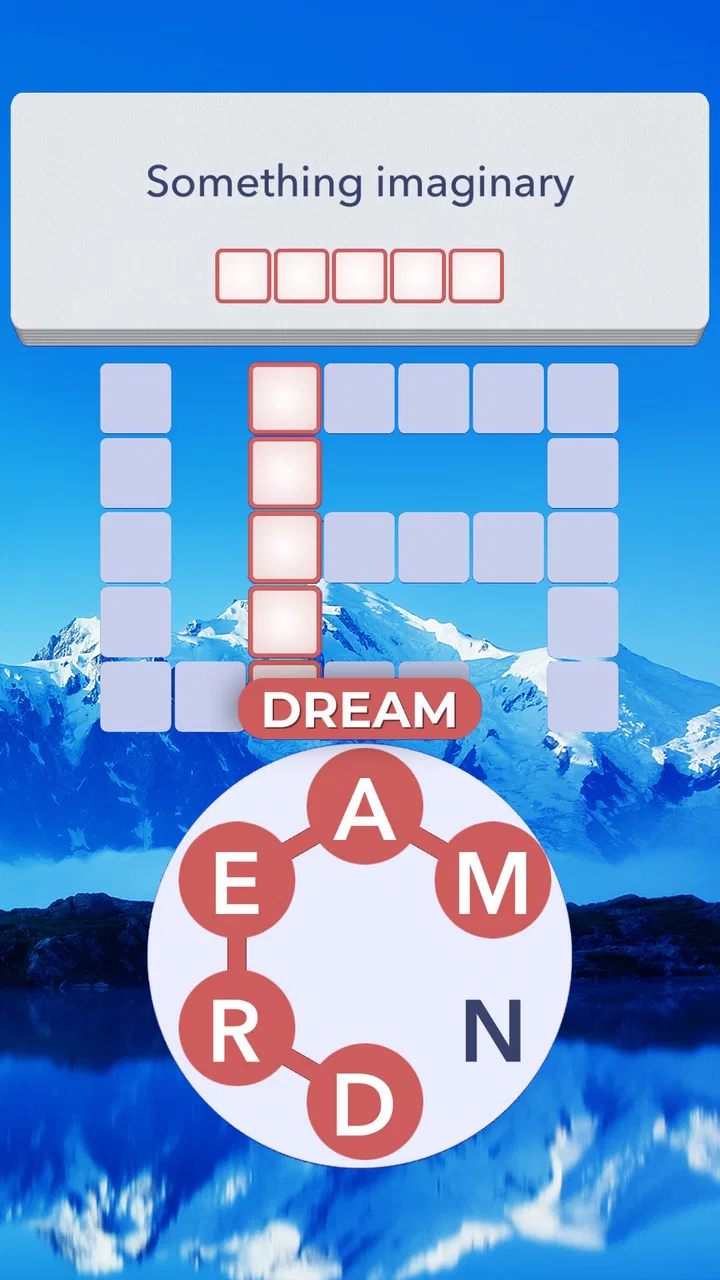
Words of Wonders: Guru is the kind of word game I open when I want something quieter than a competitive match but more engaging than simply scrolling. Its central appeal is straightforward: I connect letters to discover words, then use those words to fill a small puzzle while moving through a travel-themed progression. That familiar idea becomes more interesting because the game keeps asking me to look at the same letters from different angles.
What makes the experience worth discussing is not just the number of puzzles. It is the way the game turns a limited group of letters into a short exercise in vocabulary, pattern recognition, and patience. I can solve a round quickly when the obvious words appear, then spend several minutes searching for a less noticeable combination. The best part is the gradual shift from guessing words to learning how to inspect the whole letter set.
Fugo Games developed this free word game for players of all ages. It is rated for Everyone, runs on devices using Android 8.0 or later, and the current version is 2.1.17. The game has reached over 10 million installs, with an average rating of 4.9 from around 307 thousand ratings. Those figures suggest a broad audience, but they do not automatically make it right for everyone, so I paid more attention to how it feels during ordinary play.
You May Also Like

 Blood Strike: 2.5 Anniversary
Blood Strike’s Loadouts Turn Every Drop Into a Tactical Gamble
A close look at Blood Strike’s custom loadouts: how fast access to signature weapons reshapes its battle royale rhythm, rewards preparation, and narrows the gap between fights.

 Pandora - Music & Podcasts
Pandora’s Music Is Easy to Start, but Harder to Recover
Pandora’s strength is its low-effort path from a seed to a station. Its weak spot is how much confidence it asks you to place in connection, setup, and quiet recovery.

 8 Ball Pool
 Is Built on Rivalries, Rematches, and Routine
A close look at the rivalries, rematches, shared routines, and unanswered safety questions that turn a quick pool match into a persistent mobile community.

 Samsung Music
’s Quiet Strength Is Playing What You Already Own
Its reach comes less from spectacle than from dependable access to a personal library. That simplicity is both the app’s strongest retention engine and its ceiling.

 AccuWeather: Weather Radar
AccuWeather Review: A Quick, Clear Forecast for Everyday Decisions
For everyday plans, the best forecast is the one you can understand quickly. AccuWeather makes rain timing, radar, and local conditions easy to act on, with a few trade-offs.

 Hill Climb Racing
Why Hill Climb Racing Still Turns Crashes Into One More Run
A tiny car, a bumpy hill and one more upgrade: Hill Climb Racing keeps resurfacing because its simple chaos makes every near-miss feel personal.
More From Our News Desk
View All News


Why the letter-combining format works so well
I look at how this game turns a handful of letters into a clear first goal, then uses each solved puzzle to make the next one feel worth attempting. That simple start is also a good way to judge whether its central word-building loop suits you. Next, I’ll consider what makes progress feel visible even when the challenge stays focused on the same basic action.
A small puzzle with more depth than it first appears
Each round gives me a group of letters and asks me to form words from them. The first answer is often easy, which creates a gentle entry point. After that, the challenge comes from noticing shorter words, alternate arrangements, and combinations that do not immediately stand out. I am not racing another player, so the pressure stays low, but there is still a satisfying feeling when the final missing word suddenly becomes obvious.
This design makes the game approachable without making it completely passive. I can play while waiting for an appointment, during a short break, or at home when I want a compact activity. A round does not require the same commitment as a long strategy game. At the same time, the puzzles are structured enough that I usually feel I have completed something rather than merely passed time.
The travel presentation gives the progression a sense of direction. Instead of treating every puzzle as an isolated screen, the game frames the journey as moving through different places and becoming more skilled along the way. I would not play it for detailed travel information, because that is not its purpose. The travel theme is mainly a pleasant wrapper around the word-solving loop, and it helps the sequence feel less repetitive.
The real capability: training flexible word search
The most useful capability here is the way the game encourages flexible searching. When I am stuck, staring at the letters harder is rarely enough. I need to change my method: begin with the longest word I can see, test common endings, look for a short word hidden inside a longer one, and then rearrange the remaining letters. That habit is more valuable than any single solved puzzle because it gives me a repeatable way to approach later rounds.
I also notice that the game rewards resisting the first pattern that comes to mind. In many puzzles, I can form a familiar word quickly, but that word may use letters needed for another answer. I have to keep the entire set in view rather than treating each discovery as separate. This creates a modest but genuine mental workout, especially for players who enjoy language games based on recognition rather than trivia.
For language learners, the experience can be useful in a limited way. It exposes me to word shapes and encourages me to recall vocabulary, but it is not a complete language course. It does not replace pronunciation practice, grammar lessons, or conversation. I would use it as a light vocabulary activity, particularly when I want something more playful than a flashcard session.
How I approach a difficult round
My most reliable approach is to scan the letters in stages. First, I look for common short words because they often reveal which letters are likely to be useful. Then I search for a longer arrangement, paying attention to familiar prefixes and endings. If I still cannot progress, I stop trying random combinations and deliberately change the order in which I inspect the letters.
That last step matters. Random tapping can feel active, but it is not an efficient strategy. I get better results by grouping letters mentally, checking possible word families, and remembering which combinations have already failed. The game does not need to explain this process in detail; the puzzle structure teaches it through repetition. Over time, I become less dependent on lucky guesses.
A practical tip is to avoid using a hint immediately after finding the first few words. I prefer to give myself one focused attempt, then use assistance only when I have genuinely exhausted the obvious patterns. This preserves the satisfaction of solving the puzzle while preventing a single stubborn answer from turning a relaxing session into frustration.
What a normal session feels like
Imagine having ten quiet minutes before leaving home. I can start a round, solve the easy words, and work through the harder ones without needing sound or a large uninterrupted space. If I get interrupted, the game fits naturally into that kind of stop-and-start routine. Later, I can return and continue the same style of puzzle instead of rebuilding a complicated strategy from memory.
That makes it especially suitable for short breaks. I would choose it over a more demanding game when I want a clear beginning and end, but I would not expect it to provide the variety of a large adventure title. Its strength is concentration in small portions. The experience works best when I accept that the reward is a few minutes of focused word discovery, not an elaborate story or a constantly changing set of mechanics.
Where the game earns its place among word apps
Compared with a traditional crossword, this is easier to enter because I do not need to interpret clues before beginning. The letters are already there, and the challenge comes from arranging them. Compared with a word-search puzzle, it asks for more active construction rather than simply spotting words in a grid. Compared with a competitive word game, it is calmer because my progress does not depend on beating another person in real time.
That middle position is important. Players who want clues, definitions, and a richer newspaper-style puzzle may prefer a crossword. Players who want head-to-head pressure may find this too gentle. I see it as a good choice for someone who enjoys word formation and wants a guided progression without the social or time pressure found in other formats.
The tradeoff between relaxation and repetition
The same focused design that makes the game accessible can also make it feel repetitive. The basic action remains forming words from letters, so players who need frequent mechanical changes may lose interest. The travel framing adds context, but it does not transform the underlying activity into a different genre. I recommend it more readily to people who enjoy refining a familiar puzzle routine than to players looking for constant novelty.
Difficulty can also feel uneven from one round to the next. A puzzle may look simple but contain one answer that requires a very specific way of thinking. That unevenness is part of the appeal for me, yet it can be irritating if I am playing mainly for speed. The game is better when I treat a difficult round as a thinking break rather than as a test I must clear immediately.
Because it is free, the game can be tried without an upfront purchase. It includes in-app purchases ranging from $0.39 to $39.99 per item, so I would pay attention to any optional spending during play. My advice is simple: enjoy the basic loop first and decide whether extra purchases genuinely improve your experience before paying for them. A free entry point is useful, but it does not mean every optional item will suit every player.
Who benefits most from the format
I think the strongest audience is anyone who likes word puzzles but wants a softer, more flexible alternative to timed competition. It works for casual players, families looking for an age-appropriate game, and people who enjoy short mental activities during spare moments. The Everyone rating also makes it easier to consider for mixed-age use, although individual vocabulary familiarity will naturally affect how comfortable each player feels.
It can also suit adults who want to rebuild a regular reading or vocabulary habit in a low-pressure way. I would not describe it as formal education, but the repeated process of examining letters and recalling possible words can make a short daily session feel purposeful. My preferred routine would be to play a few puzzles, note words I did not recognize, and then look them up separately if I wanted a learning benefit. The game itself is the prompt, not the complete lesson.
Players who should skip it are those who dislike repeated word construction, expect detailed explanations for every answer, or want a story-driven travel game. The destination theme will not compensate for a dislike of the core mechanic. I would also point competitive players toward a multiplayer word format instead, because this experience is built around personal progress and relaxed solving rather than direct rivalry.
Device expectations and everyday practicality
With Android compatibility beginning at version 8.0, the game is accessible to many older devices as well as newer ones. I still recommend checking that a phone has enough free space and that the screen is comfortable for reading letters, especially for children or anyone who prefers larger text. The game depends on visual attention, so a cramped display can make an otherwise pleasant puzzle feel unnecessarily tiring.
The short-session design is one of its practical advantages. I do not need to reserve an entire evening, and I can stop after a puzzle without feeling that I have abandoned a long match. That makes it a better fit for commutes, waiting rooms, and quiet breaks than games that punish interruptions. The tradeoff is that someone seeking a deep, continuous campaign may find the individual rounds too self-contained.
My recommendation after spending time with it
Words of Wonders: Guru succeeds because it understands the appeal of a focused word puzzle. It gives me a clear task, enough resistance to keep me thinking, and a travel-themed path that makes individual rounds feel connected. The experience is not revolutionary, and it does not try to be. Its value comes from polishing a familiar idea into something easy to pick up and satisfying to revisit.
I especially recommend it if you want an accessible word game for short, quiet sessions, or if you enjoy finding patterns without the pressure of a timer or opponent. Start slowly, avoid relying on hints too soon, and use the letter set as a whole rather than chasing random guesses. That approach reveals the game’s strongest quality: it rewards a better way of looking, not just a lucky answer.
My final view is positive but specific. This is not the right choice for every kind of puzzle fan, and the repeated format may eventually feel familiar. For the right player, though, the free entry point, Everyone rating, broad device support, and calm progression make it easy to try. Fugo Games has created a dependable companion for small breaks, and I would recommend it to a friend who wants language-based entertainment without unnecessary pressure.
FAQs for Words of Wonders: Guru
01What is Words of Wonders: Guru?
Words of Wonders: Guru is a word puzzle game available for Android and iOS devices. It challenges players to uncover hidden words from a grid of letters, enhancing their vocabulary and problem-solving skills. The game features a variety of levels, each themed around famous landmarks, adding an educational twist to the fun.
02How does Words of Wonders: Guru enhance vocabulary skills?
Words of Wonders: Guru enhances vocabulary skills by presenting a vast array of challenging levels where players must find words from scrambled letters. As players progress, they encounter increasingly complex puzzles that require a deeper understanding of language, thereby expanding their vocabulary and improving their cognitive abilities.
03Is Words of Wonders: Guru suitable for all ages?
Yes, Words of Wonders: Guru is designed to be suitable for players of all ages. Its simple interface and gradual difficulty progression make it accessible for younger audiences, while the challenging puzzles offer enough complexity to engage adult players, making it a perfect educational tool for family gaming.
04Are there in-app purchases in Words of Wonders: Guru?
Words of Wonders: Guru does feature in-app purchases. These are primarily designed to enhance the gameplay experience by offering hints, removing ads, or unlocking additional content. While the game is free to download and play, these optional purchases can provide convenience and additional enjoyment for dedicated players.
05Does Words of Wonders: Guru require an internet connection?
Words of Wonders: Guru can be played offline, allowing users to enjoy the game without an internet connection. This makes it ideal for playing during travel or in areas with limited connectivity. However, certain features, such as updates or accessing the leaderboard, may require an online connection.
Pros
- Engaging word puzzles boost vocabulary.
- Visually appealing with smooth animations.
- Regular updates with new challenges.
- Offline mode available for on-the-go play.
- Intuitive interface easy for all ages.
Cons
- Ads can be frequent and intrusive.
- Some puzzles feel repetitive over time.
- In-app purchases can be pricey.
- Occasional lag on older devices.
- Hints are limited without purchases.

Words of Wonders: Guru
Gallery